Descrizione del prodotto
Compact Shredder Flail Mower with Standard 3 Point Linkage
Uses:
Shredder with adjustable offset, for working on grass, leaves, vine and olive remains. The KDK model is a versatile machine, suitable for mowing grass and above all shredding twigs and pruning residue, thanks to the robust structure and equipment. The machine can be moved sideways with a mechanical or hydraulic system (optional). Robust structure suitable for professional use. Maximum application versatility on any type of residue, from open fields to orchards. Rear bonnet can be opened for maintenance purposes. Standard skids screwed to the side.
Caratteristiche:
-Universal three point hitch with mechanical offset (optional hydraulic) Cat. 1-2
-Gearbox P.T.O. 540 r.p.m. with free-wheel
-SKF bearings ( 100mm) positioned in the side.
-Adjustable roller unit
-Adjustable pair of skids
-Electronically balanced rotor
-Hot forging hammers ( 5 cm)
-Front safety chains
-Adjustable stretcher
-Outer belt adjustment
-EC safety guards
Specifications:
| Modello | KDK160 | KDK180 | KDK200 | KDK220 | KDK240 | KDK300 |
| Net Weight | 452kg | 467kg | 486kg | 549kg | 657kg | 1230kg |
| Gross Weight | 487kg | 498kg | 530kg | 600kg | 723kg | |
| Working Width | 1520 | 1720 | 1920 | 2120 | 2320 | 2950 |
| Flail Type | 800g Hammer | 800g Hammer | 800g Hammer | 800g Hammer | 1200g Hammer | 1200g Hammer |
| Number of Flail | 28 | 28 | 32 | 36 | 22 | 30 |
| System of Side-shift | Mechanical | Mechanical | Mechanical | Mechanical | Hydraulic | Hydraulic |
| Tractor HP | 40-50HP | 40-50HP | 55-70HP | 75-90HP | 75-120HP | 100-150HP |
Why choose CHINAMFG IMPLEMENT:
Any quality problem you have in 1 year, we promise to help you solve asap.
Every customer to us is unique, best service will give you.
We provide you our machine with good material and promise not to deduct the material.
Every model of our machine will have a testing before the delivery to the port.
If you want to visit our factory, our boss will give you a best reception.
Every year’s Christmas we prepare gifts to our customer.
Every year we attend the agricultural exhibition in Germany or Italy.
Shipment
Workshop
Certificate
| Certificazione: | CE |
|---|---|
| Transport Package: | Steel Crates |
| Specification: | CE Standard |
| Trademark: | Kaideli |
| Origin: | Changzhou, China |
| Personalizzazione: |
Disponibile
| Richiesta personalizzata |
|---|
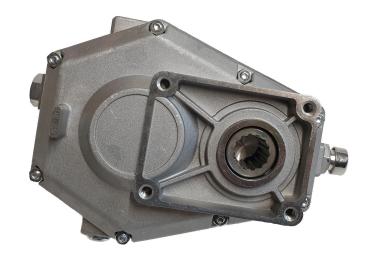
Limitations of Maximum Torque Handling in Miter Gearboxes
Miter gearboxes, like any mechanical component, have limitations to the maximum torque they can handle:
Material Strength: The torque-handling capacity of miter gearboxes is influenced by the strength and durability of the materials used in their construction. If the materials are not sufficiently strong, they may deform or fail under high torque loads.
Gear Tooth Design: The design and geometry of the gear teeth play a crucial role in torque transmission. In miter gearboxes, the size, shape, and angle of the gear teeth impact the torque-carrying capacity. Improper gear tooth design can result in premature wear and reduced torque handling.
Lubrication and Cooling: Adequate lubrication is essential to reduce friction and heat generated during operation. Inadequate lubrication can lead to increased friction, heat buildup, and potential damage to the gears, limiting the gearbox’s torque capacity.
Dynamic Load Factors: The type of load the gearbox experiences, such as shock loads or sudden changes in torque, can impact its torque-handling capability. High dynamic loads can exceed the gearbox’s capacity and lead to failure.
Mounting and Support: The mounting and support of the miter gearbox within the mechanical system can affect its torque-handling capacity. Poorly supported gearboxes may experience misalignment or excessive stress, leading to reduced torque capabilities.
Size and Configuration: The physical size and configuration of the miter gearbox can impact its torque-handling capacity. Larger gearboxes with more robust components may have higher torque limits compared to smaller or more compact designs.
Operating Conditions: Environmental factors such as temperature, humidity, and vibration can affect the torque capacity of miter gearboxes. Extreme conditions can cause material degradation or loss of lubrication efficiency, reducing the gearbox’s overall torque-handling ability.
Manufacturing Tolerances: Variations in manufacturing processes and tolerances can lead to differences in torque capacity between individual gearboxes. Tighter manufacturing tolerances generally result in higher torque handling.
It is important to consider these limitations when selecting and designing miter gearboxes for specific applications. Proper engineering, material selection, lubrication, and operating conditions play a critical role in ensuring that miter gearboxes operate within their intended torque limits and provide reliable performance.
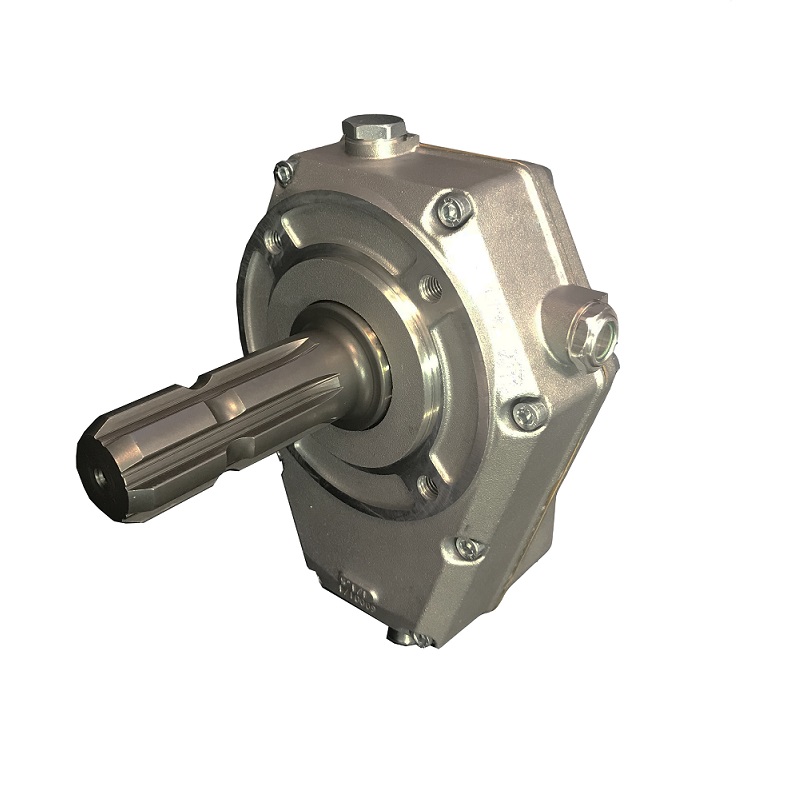
Miter Gearboxes in Automotive Applications, Especially Steering Systems
Miter gearboxes play a crucial role in automotive applications, particularly in steering systems, where they are utilized to change the direction of motion by 90 degrees. Here’s how miter gearboxes perform in automotive steering systems:
Steering Mechanism: In vehicles, the steering column provides the rotational motion, which needs to be transmitted to the wheels at a right angle for effective steering control. Miter gearboxes are integrated into the steering system to achieve this motion change.
Angular Change: The miter gearboxes take the rotational input from the steering column and transmit it through bevel gears placed at a 90-degree angle. This allows the motion to be directed towards the steering linkage and ultimately the wheels.
Precision and Accuracy: Automotive steering systems require precise and responsive motion control. Miter gearboxes ensure accurate transmission of motion, allowing drivers to have reliable and smooth steering control.
Compact Design: Miter gearboxes have a compact and space-saving design, making them suitable for installation within the limited space of a vehicle’s steering column.
Reduced Backlash: To ensure safety and responsiveness, miter gearboxes are designed to minimize backlash, which is crucial for maintaining accurate control over the vehicle’s direction.
Durability: Automotive applications demand durability and reliability. Miter gearboxes are designed to withstand the conditions and loads experienced in vehicles, ensuring long-lasting performance.
Miter gearboxes contribute to the efficient and effective operation of steering systems in vehicles, providing drivers with the control needed to navigate safely and comfortably.
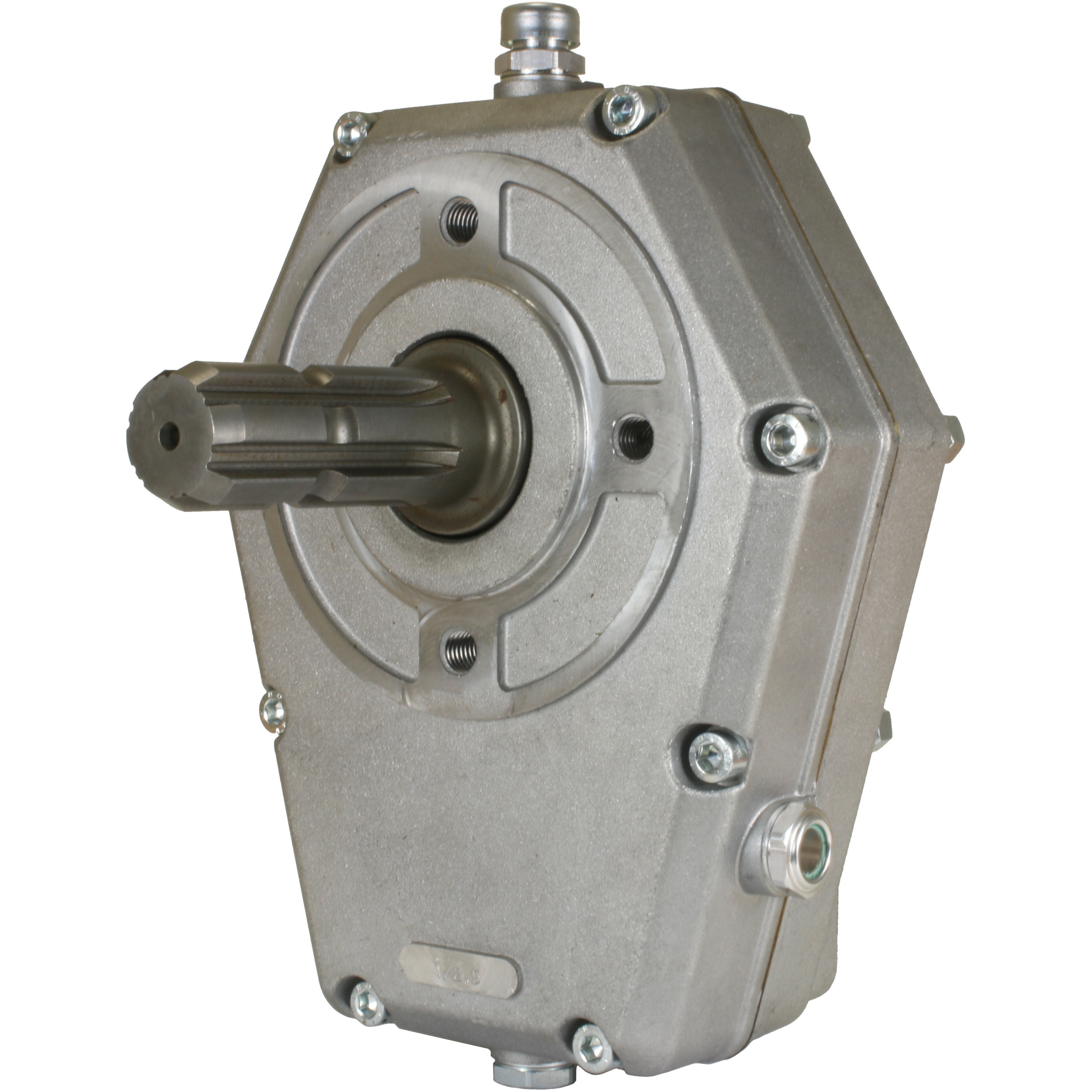
Types of Miter Gearboxes and Their Classification
Miter gearboxes come in various types, each designed to meet specific application requirements based on factors such as gear arrangement, shaft orientation, and efficiency. They can be classified into the following main types:
- Straight Bevel Miter Gearboxes: These gearboxes have straight-cut teeth on the bevel gears and are suitable for applications where the intersecting shafts are positioned in the same plane. They are commonly used for changing the direction of motion between two shafts that are parallel to each other.
- Spiral Bevel Miter Gearboxes: Spiral bevel miter gearboxes feature spiral-cut teeth on the bevel gears, which reduces noise, vibration, and improves efficiency. They can handle higher torque and are often used in heavy-duty applications where smooth and quiet operation is essential.
- Skew Bevel Miter Gearboxes: Skew bevel gearboxes have skewed teeth that allow for smoother meshing and reduced wear. They are ideal for applications with high-speed rotation and heavy loads, such as machine tools and automotive systems.
- Hypoid Bevel Miter Gearboxes: Hypoid bevel gearboxes have hypoid-cut gears, which enable greater torque transmission and efficiency. They are commonly used in applications with higher torque requirements, such as industrial machinery and heavy equipment.
The classification of miter gearboxes is based on the type of gear arrangement, tooth profile, and other design features. Choosing the right type of miter gearbox depends on the specific application’s demands for torque, speed, efficiency, and space limitations.


editor by CX 2023-10-24