Descrizione del prodotto
Product Advantages
|
F Series Gearbox Reducer |
|
|
Product name |
F series of the gearbox hollow shaft model F107 oil seal transmission gearbox reducer reduction |
|
Warranty |
1 years |
|
Applicable Industries |
Manufacturing Plant |
|
Weight (KG) |
50KG |
|
Customized support |
OEM |
|
Gearing Arrangement |
Helical |
|
Output Torque |
1.8-2430N.M |
|
Input Speed |
1440, 2800,960,750 |
|
Output Speed |
0.5 to 200 |
|
Place of Origin |
China |
|
Product name |
F Series Parallel Shaft Gearbox Reducer |
|
Application |
Superficie del dente indurita |
|
Installation |
Tipo orizzontale |
|
Layout |
Coassiale |
|
Gear Shape |
Helical |
|
Production Capacity |
800-1500PCS /Month |
|
Type |
Gear Reduction Motor |
|
Colore |
Blue,Sliver or Customized |
|
Imballaggio |
Wooden Box |
Descrizione del prodotto
Our Advantages
–Modular design, wide transmission ratio coverage, fine and reasonable distribution; Force reducer
–There are 11 types of frame specifications from F.27-F.157, and the transmission power range is 0.12KW-200KW;
–The shape design is suitable for omnidirectional universal installation configuration;
–The transmission is relatively accurate, covering the range of 3.77-281.71, and can be selected as required;
–The gear is grinded by high-precision gear grinding machine, with balanced transmission, low noise, and interstage efficiency of 98%;
–The transmission ratio of the F.R.reducer is extended to 31431, which is specially designed for special low-speed occasions
Editing and broadcasting of main materials
–Box: cast iron;
–Gear: low carbon alloy steel, carbonitriding treatment (after fine grinding, keep the tooth surface hardness of 60HRC, hard layer thickness>0.5mm);
–Flat key: 45 steel, with surface hardness above 45HRC.
Surface painting:
–Cast iron: sprayed with RAL7031 grey blue paint.
Parameter editing broadcast
Power: 0.18KW~200KW
Torque: 3N · m ~ 22500N · m
F series parallel shaft reducer
F series parallel shaft reducer
Output speed: 0.06~374r/minF series parallel shaft reducer
| Applicazione: | Motor, Motorcycle, Machinery, Agricultural machine |
|---|---|
| Durezza: | Superficie del dente indurita |
| Installazione: | Tipo orizzontale |
| Disposizione: | Expansion, Parallel |
| Forma dell'ingranaggio: | Bevel Gear |
| Fare un passo: | Passo singolo |
| Esempi: |
US$ 500/Piece
1 pezzo (ordine minimo) | |
|---|
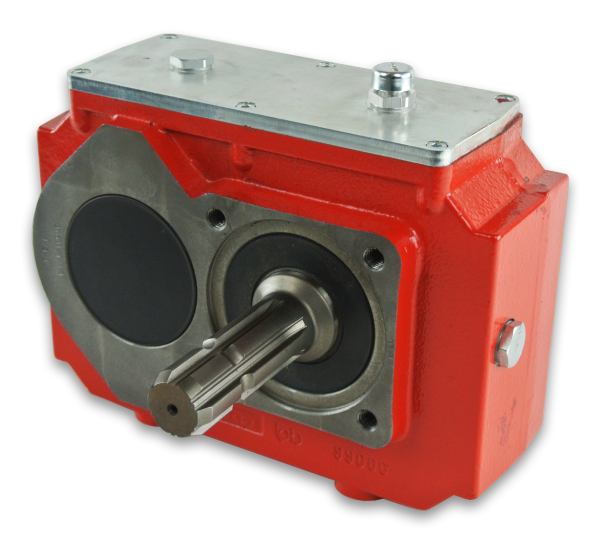
Challenges in Using Miter Gearboxes
While miter gearboxes offer various advantages, they also come with certain challenges that need to be addressed:
Lubrication: Proper lubrication is crucial for miter gearboxes to minimize friction, heat, and wear between gear teeth. Ensuring consistent and sufficient lubrication in the gearbox can be challenging, especially in enclosed or hard-to-reach spaces.
Maintenance: Miter gearboxes require periodic maintenance to ensure their optimal performance and longevity. Maintenance tasks may include checking and replenishing lubrication, inspecting gear teeth for wear, and addressing any misalignment or mounting issues that may arise over time.
Backlash: Backlash, or the clearance between gear teeth, can impact the accuracy of motion transfer. Excessive backlash can lead to reduced precision and positioning errors in applications that require high accuracy.
Complex Design: Miter gearboxes have a more intricate design compared to some other gearbox types, which can make manufacturing, assembly, and maintenance more complex. This complexity may also result in higher manufacturing and maintenance costs.
Efficiency Loss: Miter gearboxes can experience efficiency losses due to factors such as friction and misalignment. These losses can reduce the overall efficiency of power transmission, leading to energy wastage.
Space Constraints: In some applications, space limitations can pose a challenge when integrating miter gearboxes, especially when larger gear ratios are required to achieve the desired motion direction change.
Shock Loads: Applications subject to sudden shock loads or high impact forces can pose challenges for miter gearboxes. Adequate measures, such as using shock-absorbing components or designing for higher durability, may be required to address these challenges.
Alignment and Mounting: Proper alignment and mounting of miter gearboxes are critical to ensure smooth operation and prevent premature wear. Achieving precise alignment can be challenging, especially in installations with limited access or complex geometries.
Cost Considerations: The design complexity and manufacturing requirements of miter gearboxes can contribute to higher costs compared to simpler gearbox types. Balancing the benefits of miter gearboxes with the associated costs is essential during the selection process.
Addressing these challenges often requires careful engineering, proper maintenance practices, and consideration of specific application requirements. Despite the challenges, miter gearboxes remain valuable components in various industries where their unique motion direction-changing capabilities are advantageous.
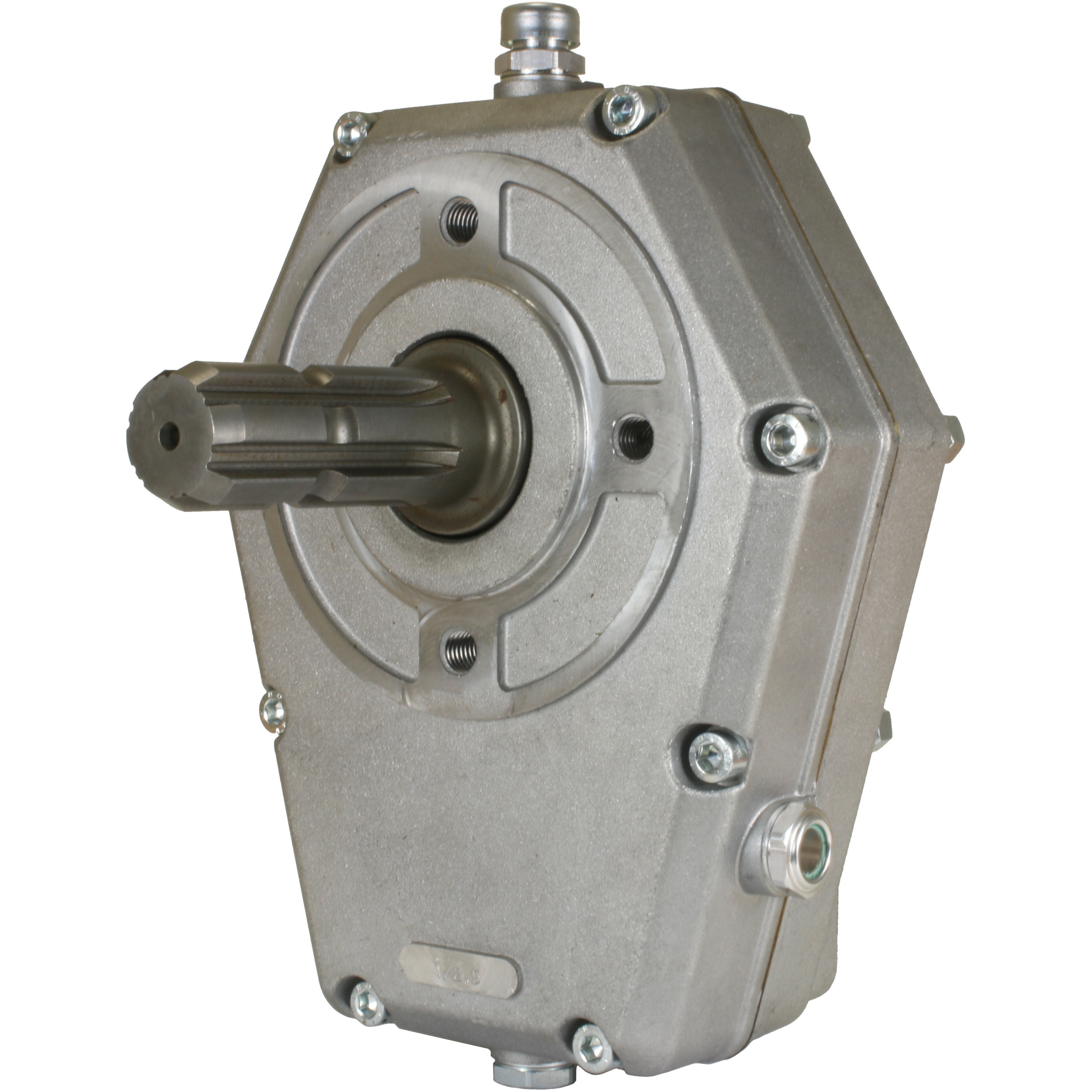
Advantages of Miter Gearboxes Over Other Gear Systems
Miter gearboxes offer distinct advantages in certain scenarios that make them preferred over other types of gear systems:
90-Degree Motion Change: Miter gearboxes excel at changing the direction of motion by 90 degrees. This makes them ideal for applications where a right-angle change in motion is required.
Compact Design: Miter gearboxes have a compact and space-saving design, making them suitable for applications with limited space constraints.
Precision Steering: In automotive steering systems, miter gearboxes provide precise and accurate control over the direction of vehicles, contributing to safe and responsive steering.
Reduced Backlash: Miter gearboxes are designed to minimize backlash, ensuring accurate and smooth motion transfer. This makes them suitable for applications where precision and responsiveness are critical.
Personalizzazione: Miter gearboxes can be customized to suit specific torque, speed, and design requirements, making them adaptable to various applications.
Reliable Motion Transmission: Miter gearboxes provide reliable motion transmission and are often chosen for applications where consistent and accurate motion control is essential.
Low Noise and Vibration: The design of miter gearboxes can help reduce noise and vibration, making them suitable for applications where quiet operation is necessary.
Miter gearboxes are preferred in scenarios where their unique design and capabilities align with specific motion control and direction change requirements, offering efficiency, precision, and reliability.
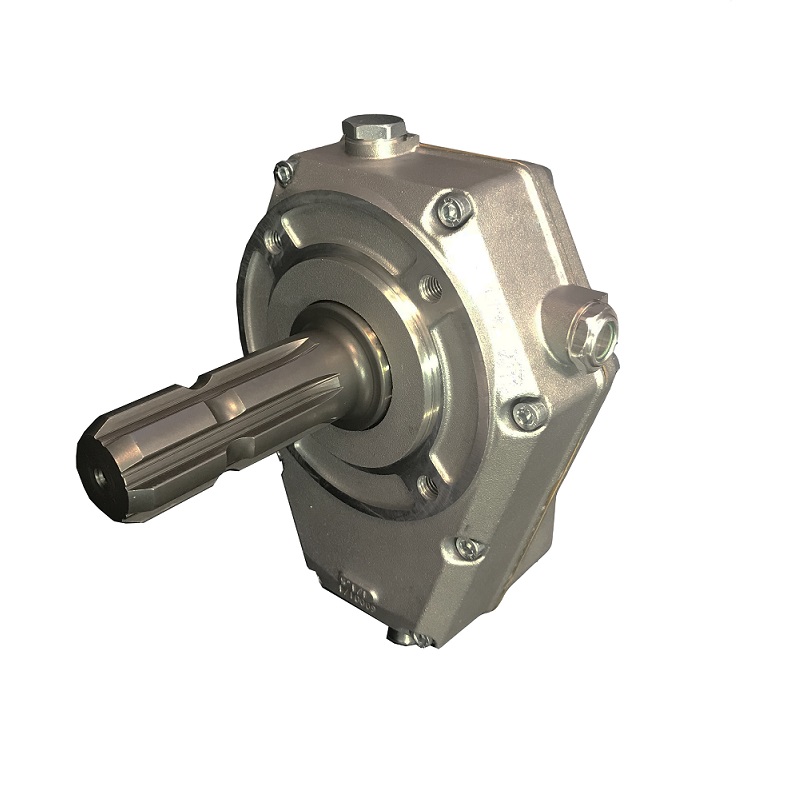
Changing Direction of Rotational Motion with Miter Gearboxes
Miter gearboxes are specialized mechanical devices designed to efficiently change the direction of rotational motion by 90 degrees. They achieve this transformation through the use of bevel gears with intersecting shafts:
- Bevel Gears: Miter gearboxes utilize bevel gears, which have conical-shaped teeth. These gears are cut at an angle to the gear’s face and allow the transmission of motion between two intersecting shafts positioned at a 90-degree angle to each other.
- Intersecting Shafts: The input and output shafts of a miter gearbox are positioned in such a way that they intersect at a right angle. The bevel gears are mounted on these shafts, and when the input shaft rotates, it engages with the teeth of the bevel gear on the output shaft, transferring motion at a right angle.
- Directional Change: As the input shaft rotates, the bevel gear’s teeth mesh and transmit motion from the input shaft to the output shaft. This interaction causes a change in the direction of rotation, redirecting the output motion perpendicular to the input motion.
- Compact Design: Miter gearboxes are known for their compact and space-saving design. The intersecting shafts and bevel gears are housed within the gearbox casing, allowing for efficient motion redirection without the need for additional external components.
Overall, miter gearboxes play a crucial role in changing the direction of rotational motion, making them essential components in various mechanical systems where motion needs to be redirected efficiently and precisely.


editor by CX 2023-09-04