Ürün Açıklaması
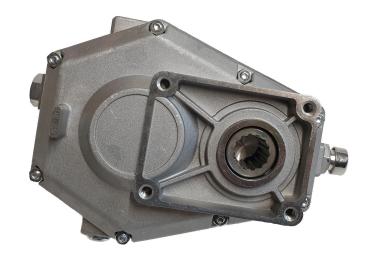
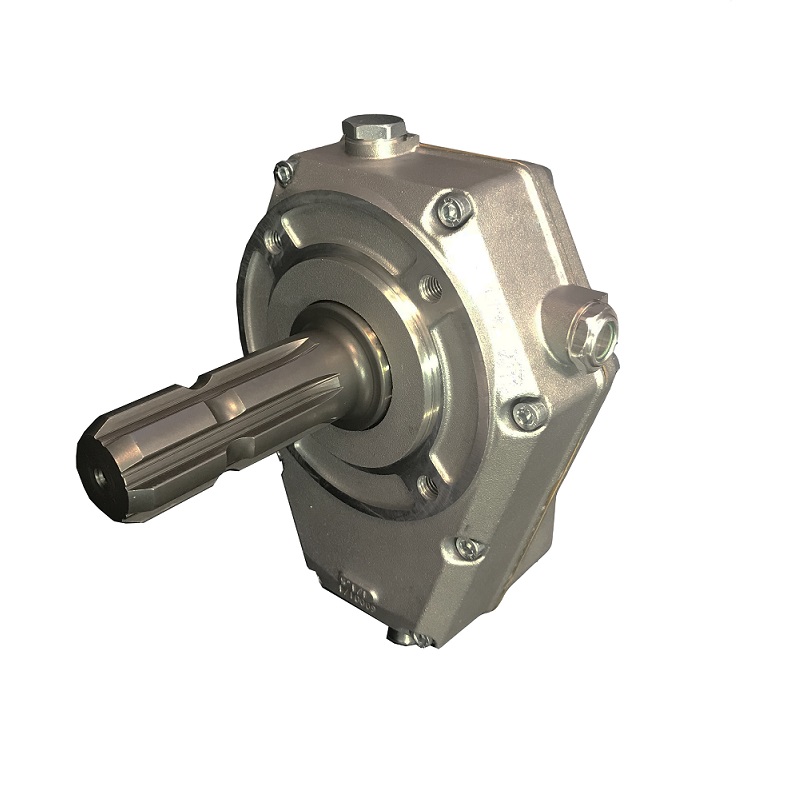
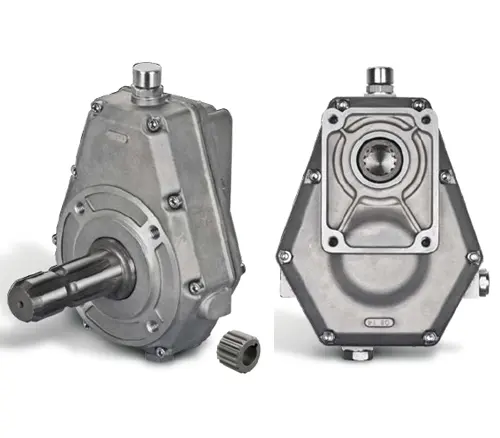
Agricultural Gearbox for Vineyard and Orchard Grass Cutters
Related products:
Our Factory:
1. Shell: made of high rigidity fc-25 cast iron;
2. Gear: high purity alloy steel 20crmnt is used for quenching and tempering, carburizing, quenching and grinding;
3. Spindle: high purity alloy steel 40Cr quenching and tempering processing, with high hanging load capacity.
4. Bearing: equipped with tapered roller bearing with heavy load capacity;
5. Oil seal: imported double lip oil seal, with the ability of dust and oil leakage.
Product lubrication:
The use of proper lubricating oil for t spiral bevel gear commutator can give full play to the efficiency of the steering gear and improve its service life.
1. The initial wear period is 2 weeks or 100-200 hours. There may be a small amount of metal wear particles between them. Please clean the interior and replace it with new lubricating oil;
2. In case of long-term use, change the lubricating oil every half a year or 1000-2000 hours.
Technical parameters of T spiral bevel gear commutator:
It can be equipped with single horizontal axis, double horizontal axis, single vertical axis and double vertical axis 1:5, 1:5, 1:1, 1:5, 1:5, 1:1
Company Profile:
| Application: | Motor, Electric Cars, Motorcycle, Machinery, Marine, Agricultural Machinery, Car |
|---|---|
| Function: | Distribution Power, Clutch, Change Drive Torque, Change Drive Direction, Speed Changing, Speed Reduction, Speed Increase |
| Layout: | Coaxial |
| Hardness: | Hardened Tooth Surface |
| Installation: | Horizontal Type |
| Step: | Three-Step |
| Samples: |
US$ 9999/Piece
1 Piece(Min.Order) | |
|---|
Limitations of Maximum Torque Handling in Miter Gearboxes
Miter gearboxes, like any mechanical component, have limitations to the maximum torque they can handle:
Material Strength: The torque-handling capacity of miter gearboxes is influenced by the strength and durability of the materials used in their construction. If the materials are not sufficiently strong, they may deform or fail under high torque loads.
Gear Tooth Design: The design and geometry of the gear teeth play a crucial role in torque transmission. In miter gearboxes, the size, shape, and angle of the gear teeth impact the torque-carrying capacity. Improper gear tooth design can result in premature wear and reduced torque handling.
Lubrication and Cooling: Adequate lubrication is essential to reduce friction and heat generated during operation. Inadequate lubrication can lead to increased friction, heat buildup, and potential damage to the gears, limiting the gearbox’s torque capacity.
Dynamic Load Factors: The type of load the gearbox experiences, such as shock loads or sudden changes in torque, can impact its torque-handling capability. High dynamic loads can exceed the gearbox’s capacity and lead to failure.
Mounting and Support: The mounting and support of the miter gearbox within the mechanical system can affect its torque-handling capacity. Poorly supported gearboxes may experience misalignment or excessive stress, leading to reduced torque capabilities.
Size and Configuration: The physical size and configuration of the miter gearbox can impact its torque-handling capacity. Larger gearboxes with more robust components may have higher torque limits compared to smaller or more compact designs.
Operating Conditions: Environmental factors such as temperature, humidity, and vibration can affect the torque capacity of miter gearboxes. Extreme conditions can cause material degradation or loss of lubrication efficiency, reducing the gearbox’s overall torque-handling ability.
Manufacturing Tolerances: Variations in manufacturing processes and tolerances can lead to differences in torque capacity between individual gearboxes. Tighter manufacturing tolerances generally result in higher torque handling.
It is important to consider these limitations when selecting and designing miter gearboxes for specific applications. Proper engineering, material selection, lubrication, and operating conditions play a critical role in ensuring that miter gearboxes operate within their intended torque limits and provide reliable performance.
Otomotiv Uygulamalarında, Özellikle Direksiyon Sistemlerinde Miter Dişli Kutuları
Konik dişli kutuları, özellikle direksiyon sistemlerinde hareket yönünü 90 derece değiştirmek için kullanıldıkları otomotiv uygulamalarında çok önemli bir rol oynar. Konik dişli kutularının otomotiv direksiyon sistemlerindeki çalışma şekli şöyledir:
Direksiyon Mekanizması: Araçlarda, direksiyon kolonu dönme hareketini sağlar ve bu hareketin etkili direksiyon kontrolü için tekerleklere dik açıyla iletilmesi gerekir. Bu hareket değişimini sağlamak için direksiyon sistemine miter dişli kutuları entegre edilmiştir.
Açısal Değişiklik: Konik dişli kutuları, direksiyon kolonundan gelen dönme hareketini alır ve 90 derecelik açıyla yerleştirilmiş konik dişliler aracılığıyla iletir. Bu, hareketin direksiyon bağlantısına ve nihayetinde tekerleklere yönlendirilmesini sağlar.
Hassasiyet ve Doğruluk: Otomotiv direksiyon sistemleri hassas ve hızlı hareket kontrolü gerektirir. Miter dişli kutuları, hareketin doğru bir şekilde iletilmesini sağlayarak sürücülere güvenilir ve sorunsuz bir direksiyon kontrolü imkanı sunar.
Kompakt Tasarım: Miter şanzımanları, kompakt ve yerden tasarruf sağlayan tasarımları sayesinde, bir aracın direksiyon kolonunun sınırlı alanına monte edilmeye uygundur.
Azaltılmış Tepki: Güvenliği ve tepki hızını sağlamak için, konik dişli kutuları, aracın yönü üzerinde doğru kontrolün sağlanması açısından hayati önem taşıyan boşluğu en aza indirecek şekilde tasarlanmıştır.
Dayanıklılık: Otomotiv uygulamaları dayanıklılık ve güvenilirlik gerektirir. Miter dişli kutuları, araçlarda karşılaşılan koşullara ve yüklere dayanacak şekilde tasarlanmıştır ve uzun ömürlü performans sağlar.
Miter dişli kutuları, araçlardaki direksiyon sistemlerinin verimli ve etkili çalışmasına katkıda bulunarak sürücülere güvenli ve rahat bir şekilde araç kullanmaları için gereken kontrolü sağlar.
Handling High-Speed and Heavy-Load Applications in Miter Gearboxes
Miter gearboxes are versatile mechanical components that can handle a wide range of applications, including both high-speed and heavy-load scenarios. The suitability of a miter gearbox for a specific application depends on various factors, including design, material, lubrication, and overall engineering considerations.
When it comes to high-speed applications, miter gearboxes can be designed and manufactured to handle rotational speeds that are typical in various industries. Properly designed miter gearboxes will consider factors such as gear tooth profile, lubrication, and material selection to minimize friction, heat generation, and wear, allowing for efficient and reliable operation at high speeds.
Similarly, miter gearboxes can also be engineered to handle heavy-load applications. By using durable materials, precision machining, and robust bearing arrangements, miter gearboxes can efficiently transmit high levels of torque while maintaining structural integrity. The bevel gear arrangement in miter gearboxes is well-suited for distributing heavy loads evenly across the gear teeth, ensuring smooth and consistent power transmission.
It’s important to note that the specific design and capabilities of a miter gearbox will vary depending on the manufacturer and the intended application. Engineers and designers work to optimize gear ratios, bearing arrangements, and housing materials to ensure that the miter gearbox can handle the demands of the given application, whether it involves high speeds, heavy loads, or a combination of both.
Ultimately, miter gearboxes can provide reliable performance across a wide spectrum of operating conditions, making them a versatile choice for various industries and applications.


editor by CX 2023-11-30