Opis produktu
WG975710500 HW50-02 pto gearbox CZPT truck
1.Essential details
| Year: | 2005-, 2005-, 2007-, 2005-, 2006- | Model: | Howo, Steyr, CZPT A7, HAOJUN, STEYR KING |
| OE NO.: | WG975710500 HW50-02 | Car Fitment: | SINOTRUK (CNHTC) |
| Type: | Gear Box | Size: | Standard Size |
| Place of Origin: | ZheJiang , China | Brand Name: | SATA |
| Quality: | High-Quality | Truck Model: | Howo |
| MOQ: | 1pcs | Packing: | Carton Box |
| Aplikacja: | Auto ransmission Parts | Color: | As Requested |
2.Detail Pictures
3.Company Introduction
Qinddao CZPT Import And Export Co.,Ltd. is professional perfomance truck parts supplier. Our registered trademark is
“SATA”.We have been equipped with advanced manufacturing and testing facilities and had been certificated with ISO9001:2015.
Due to goodquality and first-rate service, we have established firm and friendly cooperation with many customers all around the
world, including Europe, America, Middle East etc. With the management principle of “Equipped with high technology, succeeded
with high quality”.We long for more potential clients,more opportunities to step forward,and we hope to create a better future.
As a business partner, SATA is your best choice!
4.Our service
1. OEM Manufacturing welcome: Product, Package…
2. Sample order
3. We will reply you for your inquiry in 24 hours.
4. after sending, we will track the products for you once every 2 days, until you get the products. When you got the goods, test it,
and give me a feedback.If you have any questions about the problem, contact with us, we will offer the solve way for you.
5.FAQ
Q1. Can you produce according to the samples?
A: Yes, we can produce by your samples or technical drawings. We can build the molds and fixtures.
Q1. What is your sample policy?
A: We can supply the sample if we have ready parts in stock, but the customers have to pay the sample cost and the courier cost.
Q3. Do you test all your goods before delivery?
A: Yes, we have 100% test before delivery.
Q4: How do you make our business long-term and good relationship?
A:1. We keep good quality and competitive price to ensure our customers benefit ;
2. We respect every customer as our friend and we sincerely do business and make friends with them, no matter where they come from.
| After-sales Service: | 1 |
|---|---|
| Warranty: | 6 Month |
| Type: | Engine |
| Certification: | ISO9001 |
| Driving System Parts: | Frame |
| Electrical System Parts: | Starting System |
| Personalizacja: |
Dostępny
| Spersonalizowane żądanie |
|---|
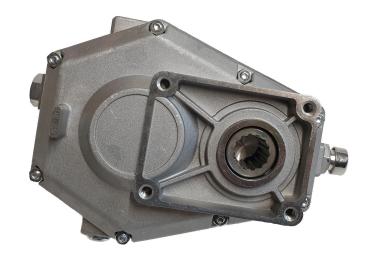
Limitations of Maximum Torque Handling in Miter Gearboxes
Miter gearboxes, like any mechanical component, have limitations to the maximum torque they can handle:
Material Strength: The torque-handling capacity of miter gearboxes is influenced by the strength and durability of the materials used in their construction. If the materials are not sufficiently strong, they may deform or fail under high torque loads.
Gear Tooth Design: The design and geometry of the gear teeth play a crucial role in torque transmission. In miter gearboxes, the size, shape, and angle of the gear teeth impact the torque-carrying capacity. Improper gear tooth design can result in premature wear and reduced torque handling.
Lubrication and Cooling: Adequate lubrication is essential to reduce friction and heat generated during operation. Inadequate lubrication can lead to increased friction, heat buildup, and potential damage to the gears, limiting the gearbox’s torque capacity.
Dynamic Load Factors: The type of load the gearbox experiences, such as shock loads or sudden changes in torque, can impact its torque-handling capability. High dynamic loads can exceed the gearbox’s capacity and lead to failure.
Mounting and Support: The mounting and support of the miter gearbox within the mechanical system can affect its torque-handling capacity. Poorly supported gearboxes may experience misalignment or excessive stress, leading to reduced torque capabilities.
Size and Configuration: The physical size and configuration of the miter gearbox can impact its torque-handling capacity. Larger gearboxes with more robust components may have higher torque limits compared to smaller or more compact designs.
Operating Conditions: Environmental factors such as temperature, humidity, and vibration can affect the torque capacity of miter gearboxes. Extreme conditions can cause material degradation or loss of lubrication efficiency, reducing the gearbox’s overall torque-handling ability.
Manufacturing Tolerances: Variations in manufacturing processes and tolerances can lead to differences in torque capacity between individual gearboxes. Tighter manufacturing tolerances generally result in higher torque handling.
It is important to consider these limitations when selecting and designing miter gearboxes for specific applications. Proper engineering, material selection, lubrication, and operating conditions play a critical role in ensuring that miter gearboxes operate within their intended torque limits and provide reliable performance.
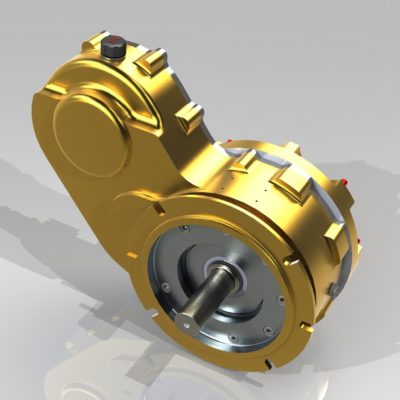
Common Industries Using Miter Gearboxes and Their Applications
Miter gearboxes find application in various industries due to their ability to change the direction of rotational motion by 90 degrees. Some of the common industries where miter gearboxes are commonly used include:
- Automotive: Miter gearboxes are utilized in automotive applications for power transmission between different components, such as steering systems and drive shafts.
- Printing: Printing machinery uses miter gearboxes to change the direction of motion in the paper feed mechanism, ensuring accurate paper alignment.
- Material Handling and Conveyors: Miter gearboxes are used in conveyor systems to facilitate the transfer of materials at right angles.
- Manufacturing: Various manufacturing processes require motion direction changes, such as in assembly lines and automated equipment.
- Robotics: Miter gearboxes are employed in robotics for motion control, allowing robots to move efficiently and accurately in different directions.
- Woodworking: Woodworking machinery uses miter gearboxes to change the direction of cutting tools, enhancing precision and efficiency.
- Textile: Miter gearboxes are used in textile machinery to control the motion of fabrics and threads during manufacturing.
- Machine Tools: Miter gearboxes play a role in machine tools where angular motion changes are needed.
The unique design of miter gearboxes makes them suitable for applications requiring precise 90-degree motion changes, enabling smoother and more efficient operation in these industries.
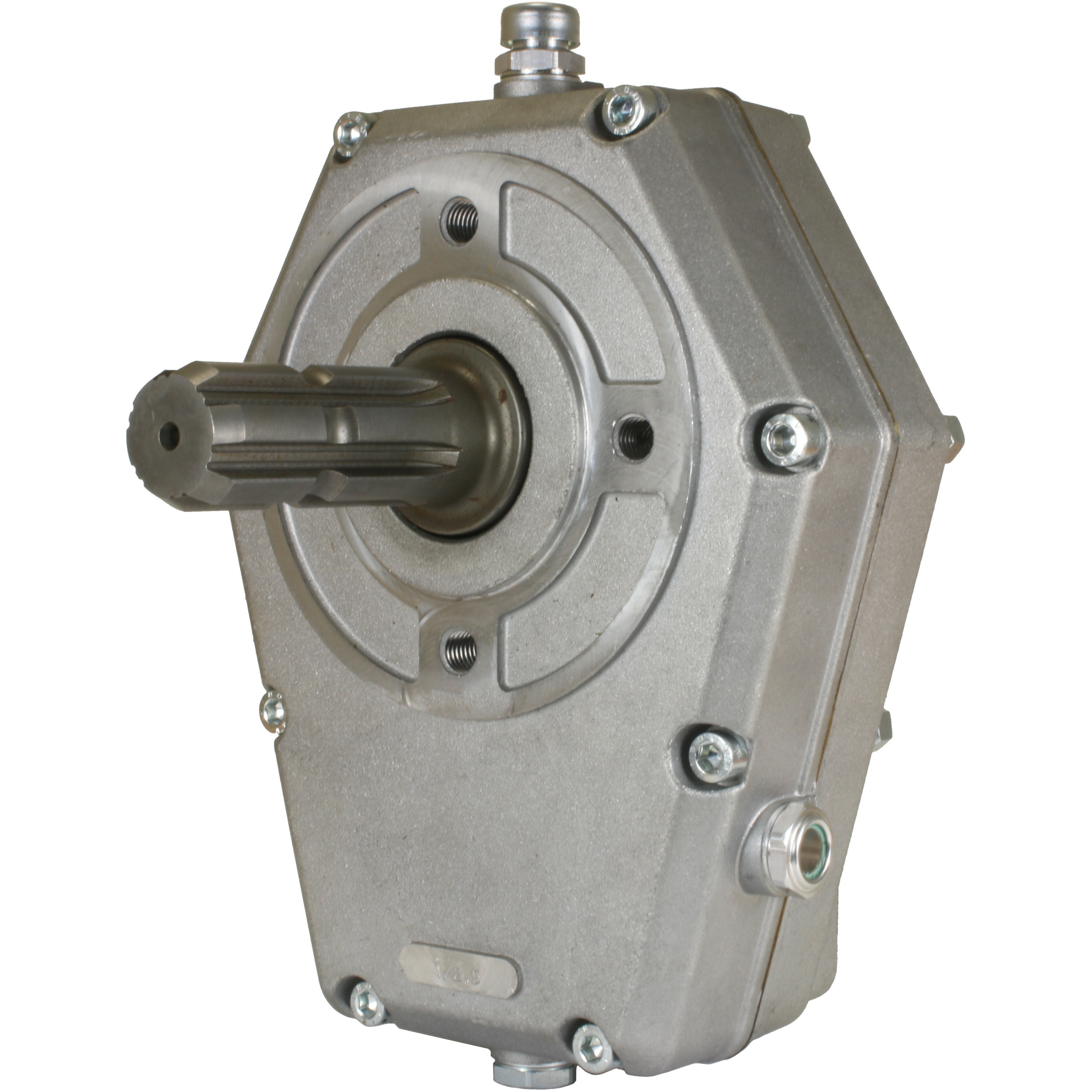
Rodzaje przekładni kątowych i ich klasyfikacja
Przekładnie kątowe występują w różnych typach, z których każdy został zaprojektowany tak, aby spełniać specyficzne wymagania aplikacji, w oparciu o takie czynniki, jak układ kół zębatych, orientacja wału i sprawność. Można je podzielić na następujące główne typy:
- Przekładnie kątowe proste: Te przekładnie mają proste zęby na kołach stożkowych i nadają się do zastosowań, w których przecinające się wały znajdują się w tej samej płaszczyźnie. Są powszechnie stosowane do zmiany kierunku ruchu między dwoma wałami równoległymi do siebie.
- Przekładnie kątowo-stożkowe spiralne: Przekładnie stożkowo-kątowe o zębach spiralnych posiadają spiralnie nacięte zęby na kołach stożkowych, co redukuje hałas i wibracje oraz poprawia wydajność. Przenoszą wyższy moment obrotowy i są często stosowane w zastosowaniach wymagających dużej wytrzymałości, gdzie płynna i cicha praca jest kluczowa.
- Przekładnie ukośne i stożkowe: Przekładnie stożkowe skośne mają skośne zęby, które zapewniają płynniejsze zazębienie i mniejsze zużycie. Idealnie nadają się do zastosowań o dużej prędkości obrotowej i dużych obciążeniach, takich jak obrabiarki i systemy samochodowe.
- Przekładnie kątowo-ukośne hipoidalne: Przekładnie stożkowe hipoidalne posiadają koła zębate o zębach hipoidalnych, które umożliwiają większe przenoszenie momentu obrotowego i większą wydajność. Są one powszechnie stosowane w zastosowaniach wymagających wyższego momentu obrotowego, takich jak maszyny przemysłowe i ciężki sprzęt.
Klasyfikacja przekładni kątowych opiera się na rodzaju układu kół zębatych, profilu zębów i innych cechach konstrukcyjnych. Wybór odpowiedniego typu przekładni kątowej zależy od wymagań konkretnego zastosowania w zakresie momentu obrotowego, prędkości, sprawności i ograniczeń przestrzennych.


editor by CX 2023-09-11