Produktbeschreibung
Produktbeschreibung
A corn header gearbox is a type of gearbox that is used in a corn header, which is a piece of agricultural equipment used to harvest corn. The gearbox is typically located near the center of the corn header and is responsible for transmitting power from the harvesting machine to the rotating blades that cut the corn stalks. The corn header gearbox is a critical component of the corn harvesting process, helping to ensure that the machine can operate efficiently and effectively.
Product Parameters
i:-
N1[rpm]: 580
N2[kW]:11.0
M2[Nm]:-
Company Profile
HangZhou Ever-power Transmission Machinery Co., Ltd. was established in 2006. The company is located in ZHangZhoug HangZhou, with 90 employees, an area of 3800 meters, and an annual output value of 40 million yuan. The company is committed to the R & D, manufacturing, and personnel training of various gearboxes, reducers, and construction machinery, including spiral bevel gearbox, spur gearbox, worm gearbox, and cylindrical gearbox. It also includes a variety of high-pressure cast valve body and shell products. Its products are used in various applications, such as agricultural mowers, snow sweepers, fertilizer applicators, grain conveyors, industrial equipment, oil mining machinery, marine industrial equipment, and engineering hydraulic components. More than 95% of its products are exported to Europe, the United States, and Australia. Asia and Canada. The company has strong technology and R & D capabilities, produces reliable and high-quality products, pursues a unique business philosophy and enjoys a high reputation in the manufacturing industry. Welcome to contact us by phone or email.
Our Equipments
Certification
Packaging and Shipment
Related products
PTO Shaft
Agricultural gearbox:
Flail mower gearbox, rotary tiller gearbox, lawn mower gearbox, rotary cutter gearbox, agricultural sprayer gearbox, post hole digger gearbox, feed mixer gearbox, rotary mower gearbox, gearbox for circular saws, irrigation reels gearbox, agricultural generator gearbox, fertilizer spreader gearbox, hydraulic drive gearbox, manure spreader gearbox, rotary rakes gearbox, hay tedders gearbox, micro tiller gearbox, cutter bars gearbox, fertilizer mixer gearbox, agitators gearbox for sewage, round baler gearbox, snowblower gearbox
| Anwendung: | Motor, Electric Cars, Motorcycle, Machinery, Marine, Agricultural Machinery, Car |
|---|---|
| Funktion: | Kraftverteilung, Kupplung, Antriebsmoment ändern, Antriebsrichtung ändern, Geschwindigkeit ändern, Geschwindigkeit reduzieren, Geschwindigkeit erhöhen |
| Layout: | Koaxial |
| Härte: | Gehärtete Zahnoberfläche |
| Installation: | Horizontaler Typ |
| Schritt: | Drei-Schritte |
| Proben: |
US$ 9999/Piece
1 Stück (Mindestbestellmenge) | |
|---|
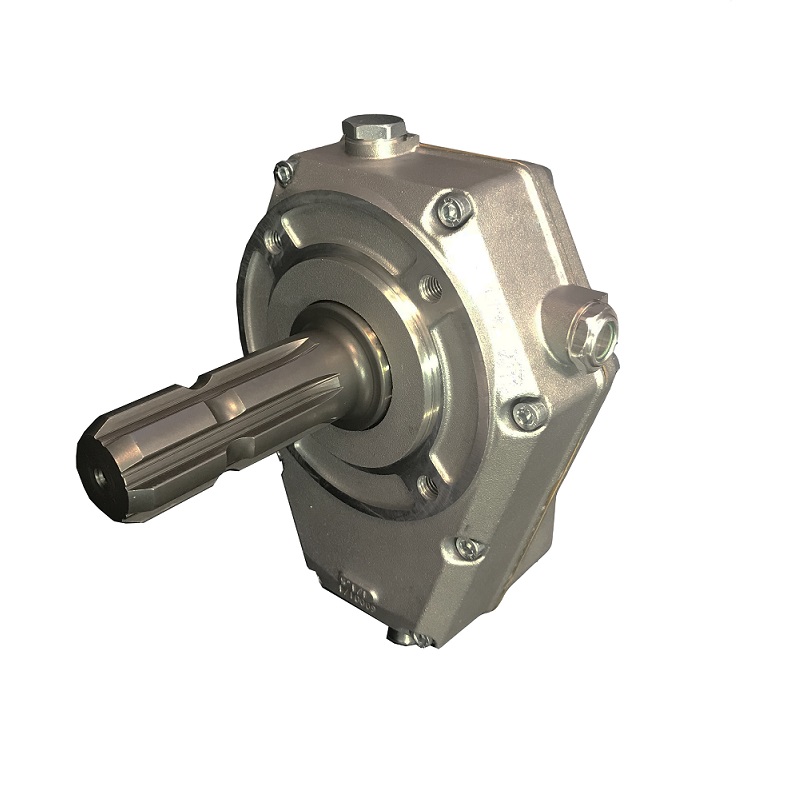
Lubrication Requirements for Smooth Functioning of Miter Gearboxes
Proper lubrication is crucial for ensuring the smooth and efficient operation of miter gearboxes. Follow these lubrication requirements to maintain optimal gearbox performance:
- Appropriate Lubricant: Select a high-quality lubricant specifically designed for gear applications. The lubricant should have the necessary viscosity and additives to provide adequate protection and reduce friction.
- Lubricant Compatibility: Ensure that the selected lubricant is compatible with the materials used in the gearbox components, such as gears, shafts, and bearings. Incompatible lubricants can lead to degradation of materials and reduced performance.
- Lubrication Interval: Follow the manufacturer’s recommendations for lubrication frequency. Regular lubrication helps prevent wear, reduce friction, and dissipate heat generated during operation.
- Proper Quantity: Apply the correct amount of lubricant to ensure proper coverage of gear teeth and other moving parts. Insufficient lubrication can lead to increased friction and premature wear.
- Lubrication Method: Use the recommended lubrication method, which may involve oil bath, splash lubrication, or forced lubrication, depending on the gearbox design and application.
- Temperature Considerations: Take into account the operating temperature of the gearbox and choose a lubricant that can withstand the temperature range. Extreme temperatures can affect the viscosity and performance of the lubricant.
- Sealing and Contamination Prevention: Ensure that the gearbox is properly sealed to prevent the entry of contaminants, such as dirt, dust, and moisture, which can degrade the lubricant and cause damage to components.
- Regular Inspection: Periodically inspect the lubricant for signs of contamination, degradation, or depletion. Replace the lubricant if any abnormalities are detected.
- Re-greasing: In cases where miter gearboxes are subjected to heavy loads, high speeds, or harsh conditions, consider implementing a re-greasing schedule to maintain adequate lubrication levels and extend component life.
Following these lubrication requirements ensures that miter gearboxes operate smoothly, efficiently, and with reduced wear, ultimately contributing to the overall reliability and longevity of the mechanical system.
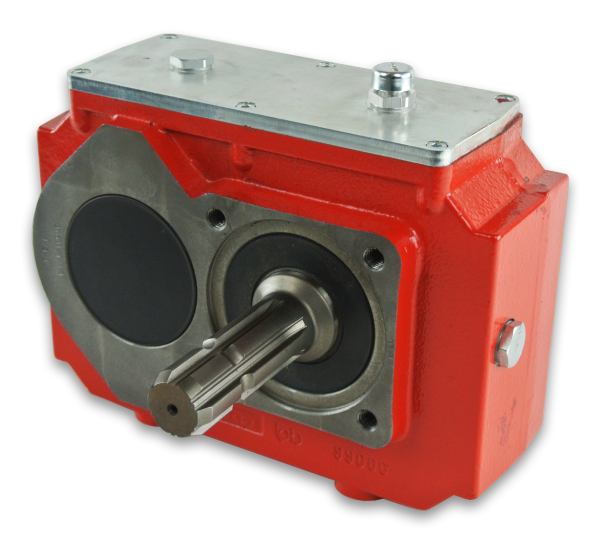
Unterschiede zwischen Winkelgetrieben und anderen Getriebetypen
Winkelgetriebe weisen besondere Merkmale auf, die sie von anderen Getriebetypen wie Stirnrad-, Stirnrad- und Planetengetrieben unterscheiden. Diese Unterschiede tragen zu ihren einzigartigen Fähigkeiten und ihrer Eignung für spezifische Anwendungen bei:
- Getriebeanordnung: Winkelgetriebe verwenden Kegelräder, die sich in einem 90-Grad-Winkel schneiden. Im Gegensatz dazu verwenden Stirnrad- und Schrägverzahnungsgetriebe parallele oder koplanare Zahnradanordnungen, und Planetengetriebe verfügen über mehrere Zahnräder, die um ein zentrales Sonnenrad angeordnet sind.
- Änderung der Bewegungsrichtung: Winkelgetriebe zeichnen sich dadurch aus, dass sie die Drehrichtung um 90 Grad ändern können. Andere Getriebe können die Drehrichtung um unterschiedliche Winkel ändern oder die gleiche Richtung beibehalten.
- Kompaktheit: Winkelgetriebe sind für ihre kompakte Bauweise bekannt und eignen sich daher für Anwendungen mit begrenztem Platzangebot. Planetengetriebe sind zwar ebenfalls kompakt, weisen aber eine andere interne Struktur auf.
- Spielkontrolle: Kegelradgetriebe sind so konstruiert, dass sie das Zahnflankenspiel minimieren und eine präzise Kraftübertragung gewährleisten. Stirnrad- und Schrägverzahnungsgetriebe können aufgrund ihrer Zahnradanordnung ein höheres Zahnflankenspiel aufweisen, während Planetengetriebe eine gute Zahnflankenspielkontrolle ermöglichen.
- Drehmoment und Geschwindigkeit: Verschiedene Getriebearten unterscheiden sich in ihrem Drehmoment- und Drehzahlvermögen. Kegelradgetriebe eignen sich für Anwendungen mit mittlerem Drehmoment und mittlerer Drehzahl, während Planetengetriebe eine hohe Drehmomentdichte bieten.
- Anwendungsbereiche: Winkelgetriebe werden häufig für Anwendungen eingesetzt, die eine 90-Grad-Drehrichtungsänderung erfordern, wie z. B. Fördersysteme, Druckmaschinen und bestimmte Industrieanlagen. Stirnrad- und Kegelradgetriebe sind in verschiedenen Maschinen und Anlagen weit verbreitet. Planetengetriebe finden Anwendung in der Robotik, der Luft- und Raumfahrt sowie im Schwermaschinenbau.
Jeder Getriebetyp hat seine eigenen Vorteile und wird anhand der spezifischen Anforderungen der Anwendung ausgewählt, darunter Platzbeschränkungen, Präzision der Bewegungssteuerung, Drehmoment- und Drehzahlbedarf.
Bedeutung des Winkels zwischen Kegelrädern in einem Winkelgetriebe
Der Winkel zwischen den Kegelrädern in einem Winkelgetriebe ist von entscheidender Bedeutung, da er die Richtung der Bewegungsübertragung und die Art der möglichen mechanischen Anordnung bestimmt.
Bei einem Kegelradgetriebe beträgt der Winkel zwischen den Kegelrädern typischerweise 90 Grad. Das bedeutet, dass sich die beiden sich kreuzenden Wellen senkrecht zueinander drehen, wodurch die Bewegungsübertragung von einer Welle auf die andere im rechten Winkel ermöglicht wird.
Der 90-Grad-Winkel zwischen Kegelrädern ist ein grundlegendes Merkmal, das vielfältige Anwendungen ermöglicht, bei denen Richtungsänderungen der Bewegung auf engstem Raum erforderlich sind. Diese Konfiguration erlaubt die Umleitung von Rotationsenergie und Drehmoment und ist daher nützlich für Anwendungen wie die Änderung der Kraftflussrichtung, die Umlenkung von Bewegungen und die Kraftübertragung um Hindernisse oder Ecken herum.
Es ist wichtig zu beachten, dass der Winkel zwischen den Kegelrädern individuell angepasst werden kann. 90 Grad ist jedoch aufgrund seiner Vielseitigkeit und praktischen Anwendbarkeit die gängigste Konfiguration bei Kegelradgetrieben. Der präzise Winkel und die Anordnung der Kegelräder gewährleisten eine effiziente Kraftübertragung und erfüllen gleichzeitig die spezifischen Anforderungen des jeweiligen mechanischen Systems, in dem das Kegelradgetriebe eingesetzt wird.


editor by CX 2023-11-20