Produktbeschreibung
Produktbeschreibung
Variety Material AvailableAlloy steel, Casting, die casting,Aluminum,Brass, Zinc alloy,POM,plastic,Stainless steel, Iron or per
your demand.Machining ProcessingForging/casting; Turning;Broaching;Teeth hobbing; Teeth burnishing;Teeth sloting;Teeth grinding;
Heating treatment; Grinding;Assembly;Testing.Heat Treatmentcarbonitriding;carburization;nitridation; vacuum quenching;frequency
quenching;temperingSurface TreatmentBlackening;Oxidation;electrophoresis;Powder coating;phosphorizationInspectionISO9001-2015
Certification; 100% responsible for your orders.
1. High strength of gear box, gears and shafts, sturdy and durable
2. 2 metric output shaft bore diameters(Standard and Optional)
3. Optional backstop to prevent backdriving. Backstop is not recommended for the gear ratio 5
4. Double lips skeleton oil seal combines the functions of seal and dust-proof
5. Widely used in belt conveyor and pulley drive system
| Anwendung: | Motor, Electric Cars, Agricultural Machinery, Car |
|---|---|
| Funktion: | Speed Changing |
| Layout: | Three-Ring |
| Härte: | Gehärtete Zahnoberfläche |
| Installation: | Oscillating Base Type |
| Schritt: | Stepless |
| Proben: |
US$ 9999/Piece
1 Stück (Mindestbestellmenge) | |
|---|
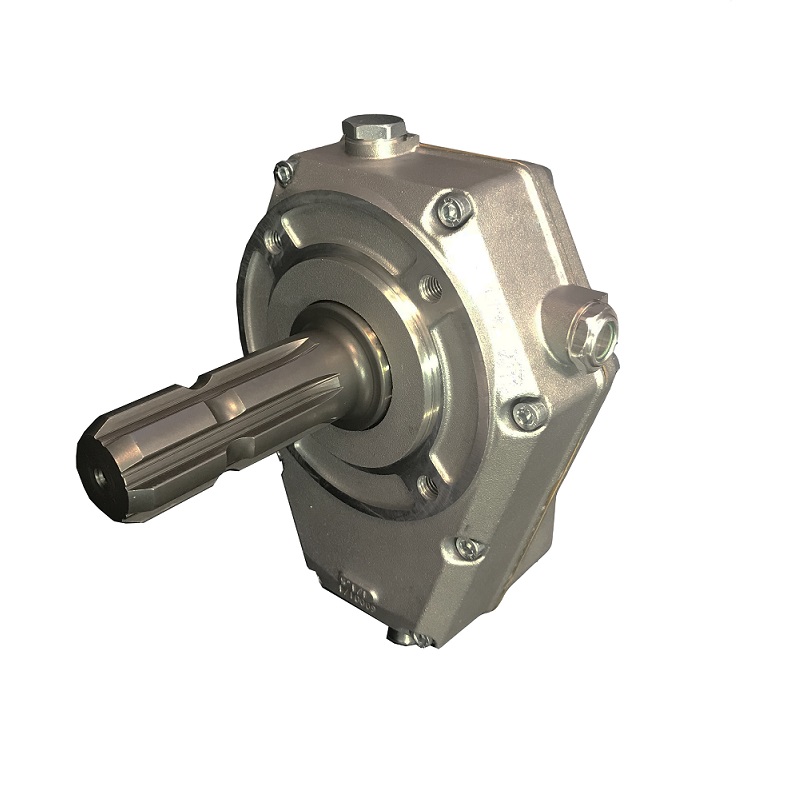
Lubrication Requirements for Smooth Functioning of Miter Gearboxes
Proper lubrication is crucial for ensuring the smooth and efficient operation of miter gearboxes. Follow these lubrication requirements to maintain optimal gearbox performance:
- Appropriate Lubricant: Select a high-quality lubricant specifically designed for gear applications. The lubricant should have the necessary viscosity and additives to provide adequate protection and reduce friction.
- Lubricant Compatibility: Ensure that the selected lubricant is compatible with the materials used in the gearbox components, such as gears, shafts, and bearings. Incompatible lubricants can lead to degradation of materials and reduced performance.
- Lubrication Interval: Follow the manufacturer’s recommendations for lubrication frequency. Regular lubrication helps prevent wear, reduce friction, and dissipate heat generated during operation.
- Proper Quantity: Apply the correct amount of lubricant to ensure proper coverage of gear teeth and other moving parts. Insufficient lubrication can lead to increased friction and premature wear.
- Lubrication Method: Use the recommended lubrication method, which may involve oil bath, splash lubrication, or forced lubrication, depending on the gearbox design and application.
- Temperature Considerations: Take into account the operating temperature of the gearbox and choose a lubricant that can withstand the temperature range. Extreme temperatures can affect the viscosity and performance of the lubricant.
- Sealing and Contamination Prevention: Ensure that the gearbox is properly sealed to prevent the entry of contaminants, such as dirt, dust, and moisture, which can degrade the lubricant and cause damage to components.
- Regular Inspection: Periodically inspect the lubricant for signs of contamination, degradation, or depletion. Replace the lubricant if any abnormalities are detected.
- Re-greasing: In cases where miter gearboxes are subjected to heavy loads, high speeds, or harsh conditions, consider implementing a re-greasing schedule to maintain adequate lubrication levels and extend component life.
Following these lubrication requirements ensures that miter gearboxes operate smoothly, efficiently, and with reduced wear, ultimately contributing to the overall reliability and longevity of the mechanical system.
Miter Gearboxes in Automotive Applications, Especially Steering Systems
Miter gearboxes play a crucial role in automotive applications, particularly in steering systems, where they are utilized to change the direction of motion by 90 degrees. Here’s how miter gearboxes perform in automotive steering systems:
Steering Mechanism: In vehicles, the steering column provides the rotational motion, which needs to be transmitted to the wheels at a right angle for effective steering control. Miter gearboxes are integrated into the steering system to achieve this motion change.
Angular Change: The miter gearboxes take the rotational input from the steering column and transmit it through bevel gears placed at a 90-degree angle. This allows the motion to be directed towards the steering linkage and ultimately the wheels.
Precision and Accuracy: Automotive steering systems require precise and responsive motion control. Miter gearboxes ensure accurate transmission of motion, allowing drivers to have reliable and smooth steering control.
Kompaktes Design: Miter gearboxes have a compact and space-saving design, making them suitable for installation within the limited space of a vehicle’s steering column.
Reduced Backlash: To ensure safety and responsiveness, miter gearboxes are designed to minimize backlash, which is crucial for maintaining accurate control over the vehicle’s direction.
Durability: Automotive applications demand durability and reliability. Miter gearboxes are designed to withstand the conditions and loads experienced in vehicles, ensuring long-lasting performance.
Miter gearboxes contribute to the efficient and effective operation of steering systems in vehicles, providing drivers with the control needed to navigate safely and comfortably.
Bedeutung des Winkels zwischen Kegelrädern in einem Winkelgetriebe
Der Winkel zwischen den Kegelrädern in einem Winkelgetriebe ist von entscheidender Bedeutung, da er die Richtung der Bewegungsübertragung und die Art der möglichen mechanischen Anordnung bestimmt.
Bei einem Kegelradgetriebe beträgt der Winkel zwischen den Kegelrädern typischerweise 90 Grad. Das bedeutet, dass sich die beiden sich kreuzenden Wellen senkrecht zueinander drehen, wodurch die Bewegungsübertragung von einer Welle auf die andere im rechten Winkel ermöglicht wird.
Der 90-Grad-Winkel zwischen Kegelrädern ist ein grundlegendes Merkmal, das vielfältige Anwendungen ermöglicht, bei denen Richtungsänderungen der Bewegung auf engstem Raum erforderlich sind. Diese Konfiguration erlaubt die Umleitung von Rotationsenergie und Drehmoment und ist daher nützlich für Anwendungen wie die Änderung der Kraftflussrichtung, die Umlenkung von Bewegungen und die Kraftübertragung um Hindernisse oder Ecken herum.
Es ist wichtig zu beachten, dass der Winkel zwischen den Kegelrädern individuell angepasst werden kann. 90 Grad ist jedoch aufgrund seiner Vielseitigkeit und praktischen Anwendbarkeit die gängigste Konfiguration bei Kegelradgetrieben. Der präzise Winkel und die Anordnung der Kegelräder gewährleisten eine effiziente Kraftübertragung und erfüllen gleichzeitig die spezifischen Anforderungen des jeweiligen mechanischen Systems, in dem das Kegelradgetriebe eingesetzt wird.


editor by CX 2023-10-11